Preparing Your Home for Sale: Start with a Survey & Assessment of Needed Repairs and Maintenance
This post is Step 2 in our series on selling your home.
If you missed the first step, check out: Steps to Sell a Home: Where to Start and How to Prepare
Next up, we’ll cover: How to Increase Home Value Before Selling with Renovations and Upgrades
Before you begin: a quick reality check
Once you’ve decided to sell and have a plan for decluttering and depersonalizing, the next thing you need to consider is simple but tricky:
What to address or fix when selling a house?
Start by making an overall assessment of what might need repairing, maintaining, renovating, or upgrading. Then, prioritize using the guide below, keeping in mind your:
- Available time and energy
- Budget and financing options
- Skill level
- Likely return on investment
Keeping these factors in mind and being honest or realistic about them will help you make smart, strategic choices when preparing your home for sale.
1. Repairs: Make a visual assessment and call in the pros for when needed for specific and more specialized opinions
Before listing, consider tackling things to repair before selling a house so buyers see a home that’s safe, functional, and move-in ready. I usually suggest to start with what’s broken or unsafe before moving on to anything else. These are the items that must be fixed at some point and are on most Buyer’s minds when they consider making an offer. A large repair might even hinder a Buyer’s ability to secure financing.
These are the most common items to focus on in your initial survey and assessment, which you may carry out together with your Real Estate Agent:
High-Priority Things to Repair Before Selling a House
Fixes to major building elements or systems requiring a professional skill to carry out often require the help of a certified specialist or contractor. The main reason for this is so that the repairs are carried out correctly and covered under a warranty. Check your original installation paperwork to see if any needed repairs might still be covered under that warranty. Also, you need to consider Insurance coverage and warrantability. Certain repairs must be carried out by trained professionals to maintain insurance coverage should the item become defective again in the future.
High-priority repairs often include:
- The Big Three (Roof, HVAC, Water Heater)
- Plumbing or electrical issues
- Safety hazards, broken handrails, damaged stairs, faulty windows or doors, uneven or cracked pavement that poses a trip risk
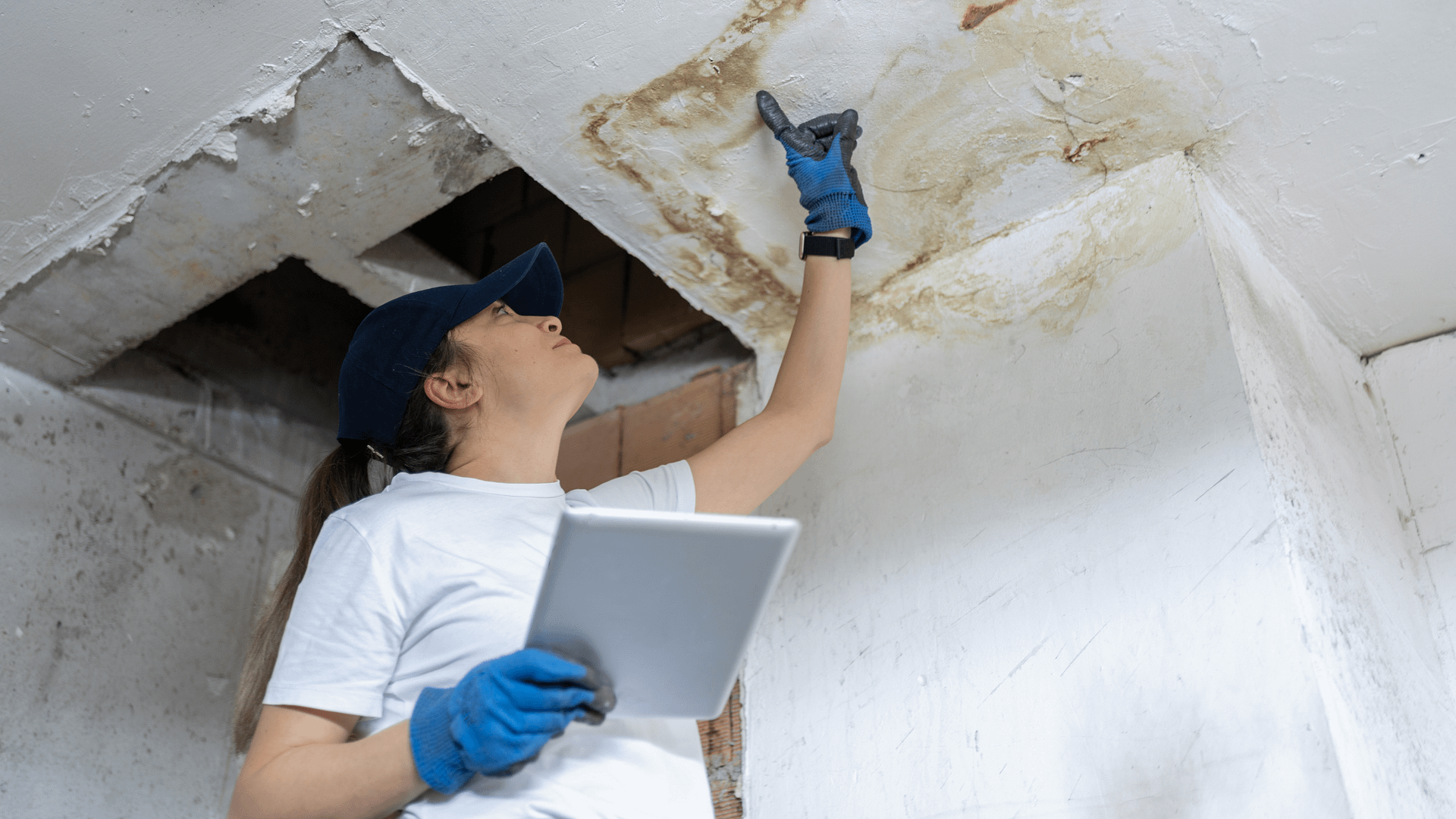
- Mold or water damage
- Structural problems, settlement, or pest damage
TIP: Some of these may be handled during negotiations rather than upfront. Talk with your real estate advisor about the best approach for your property and your current market.

Why These are a Priority
These aren’t just cosmetic issues; they’re liability concerns. Ensure, above all, that your property is safe for Buyers to view. Buyers today have little patience for making repairs. Most want to move in and enjoy their new home, not spend the first month fixing it.
If your budget allows, address these first. Smaller repairs can come later. If not, be ready to negotiate after the inspection. In competitive markets, completing repairs to make before selling a house can be the difference between multiple offers and a stale property.

The “Big Three” Items Buyers Often Care Most About When Viewing a Home for Sale
From my experience, these three items get the most attention from buyers are:
- Roof
- HVAC system
- Water heater
These are “big” items because they are major systems, always require monitoring and maintenance, and can be expensive to repair or replace.
In my experience in our local market, buyers are generally willing to take on a property with no more than one of these needing attention or replacement in a move-in-ready home. That said, this can vary depending on your specific market, and your real estate advisor can offer more insight into local tendencies and expectations.
Of course, having all of these items in tip-top shape puts you in the best position, in any market, to achieve your desired outcome.
If your home has more than one issue with the “big three,” either address the others or price the property accordingly to have that conversation with Buyers upfront. Also, transparency builds trust. You want to send the message that there’s no need to discount the property further since repair costs have already been taken into account.
There are other major items worth considering, too, for example, electrical and plumbing systems, windows and doors, and structural components. There may also be location-specific concerns. But in my experience, these ‘Big 3’ are what most buyers ask about and look at during their initial viewing of the property.
Next on the List: Smaller Repairs
Once the big problems are handled, look to assess the condition of these items :
- Exterior trim and other non-critical elements
- Drywall damage
- Broken or damaged plumbing fixtures (esp kitchen or bathroom)
- Interior trim, baseboards, windows, and door frames
- Faulty door and window hardware
- Faulty appliances
- Any other visible issues that might not break a deal, but could leave a poor impression
Some of these issues are ones that many home Sellers choose to take care of themselves especially if they are small. Some simply require purchasing a new item, appliance or equipment. If you haven’t ever tried to make a repair, it might be a good time to learn, if it seems small or easy enough. Check out the many guides on this website’s HOW TO section as well as links to other sources of information and inspiration. Doing some research here will tell you if you should consider making a repair yourself or call in friends or family with the skills or simply call in the pros.
Pre-Listing Home Inspection Option for Sellers
If your property has maintenance or condition issues throughout, consider hiring a home inspector for a full inspection. This helps you see potential buyer concerns before they do, giving you more control over the narrative.
You’ll have a professional report, ideally with cost estimates, to prevent inflated assumptions. It also lets you start addressing key issues early.
In some markets, a good inspection report can even be used as a bargaining tool, possibly convincing buyers to skip their own inspection or treat it as informational exercise. This can be useful in cases where an inspection report confirms the way you market and price the property, for example: if Buyers believe they are buying a bargain to fix-up or a move-in ready property, these might be two instances where having a report to hand over might save time, expense, and friction.
For more guides on selling your home, check out our selling a home resources.
2. Make Sure Maintenance is Up to Date
At the same time that you are making a list of needed repairs, you should be surveying for maintenance issues. Most buyers will either notice immediately (the general state of how a property has been maintained — good or bad) or issues related to lack of proper maintenance will likely come up during a home inspection and could lead to needed repairs.
A well-maintained property reassures buyers that the home has been cared for and suggests fewer surprise problems after closing.
If you haven’t kept up with regular maintenance, now is the time to start, and here’s a checklist for you:
- Change those HVAC filters
- Clean roof gutters; repair flashing and downspouts
- Flush the hot water heater if needed
- Clear HVAC condensate line
- Unclog kitchen and bathroom drains
- Have the fireplace inspected and cleaned
- Check wells, sprinklers, and pool equipment
I’ve put together a Pre-home inspection maintenance checklist for you. You can download the checklist here:
Why Appearance Matters
Just cleaning dust and grime off equipment or appliances can make those things look newer or in better condition.
Call in the Pros
If an older system has been well-maintained, for example, an HVAC or water heater, consider having it inspected and serviced by a licensed contractor before going on the market. This helps in three ways:
- Gives buyers confidence and shows you’re proactive
- Alerts you to any issues you may not have known about
- Prepares you for negotiations if repairs are needed
Inspection Reports: Your Marketing Advantage
Being armed with information is always key. It gives you options and time to be prepared with possible solutions, rebuttals, or negotiations.
I usually advise a home Seller to have an inspection and servicing carried out if I think a Buyer would be concerned about a particular item or system and like to present those reports as part of the marketing package, displayed to Buyers at the time of property viewing.
A simple invoice with a description of the service and the findings, stating that (if true), the particular item is working properly to its current or stated potential or specification, is often enough to ease any potential area of concern.
It also shows that you are proactive, reasonable, and taking your property sale seriously. And if the item isn’t functioning as expected, you’ll know exactly what to address or negotiate.
Final Thoughts
Addressing maintenance and things to repair before selling a house is one of the smartest steps you can take as a seller. Think of it as the foundation for preparing your home for sale successfully.
By focusing on the essentials first, especially the “big three” of roof, HVAC, and water heater, and then moving on to smaller fixes, you set your home up to make the best possible impression.
In a competitive market, that can make all the difference between a quick sale at your asking price and a drawn-out process with constant price reductions.
Once your repairs are complete, you’ll be ready for the next stage: considering strategic renovations and upgrades that can further boost your home’s appeal and value.
You can read more about that in my next blog: Renovations and Upgrades to Consider Before Selling.
FAQ’s
Q: What should you fix when preparing your home for sale?
A: Focus on major systems like the roof, HVAC, and water heater, plus safety hazards and visible damage.
Q: What are the most important repairs to make before selling a house?
A: Address broken systems, plumbing or electrical issues, and any structural or water damage first.
Q: What things should I repair before selling a house?
A: Fix safety hazards, replace damaged fixtures, and ensure all appliances and systems work properly.