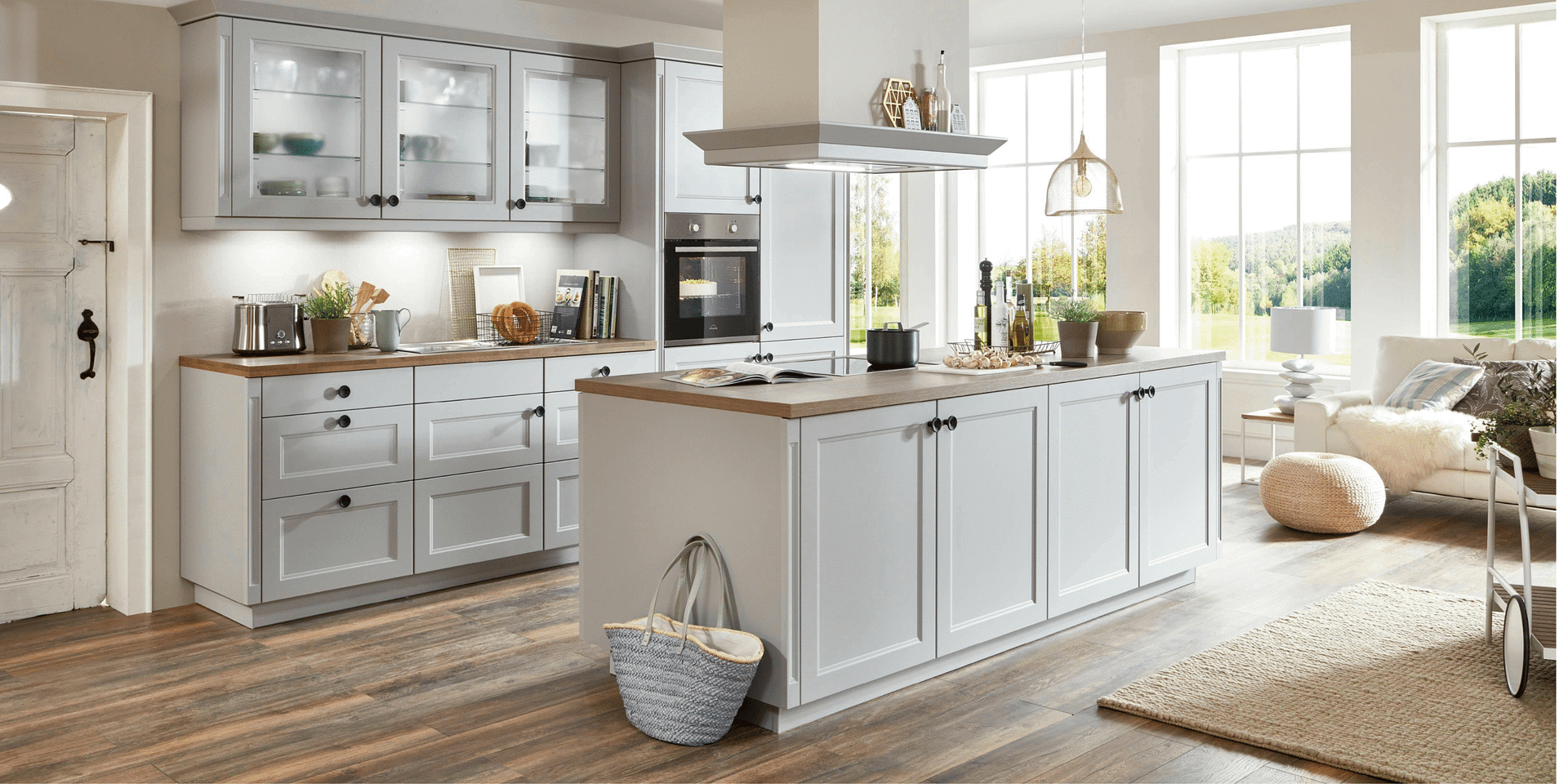
Home Staging to Sell: What Homebuyers Notice and Why It Can Make or Break Your Sale
When a potential buyer walks through the front door, their first impression forms within seconds. As someone who’s worked across architecture, interior design, and real estate sales, I can tell you that this moment is pivotal, second only to curb appeal.
Buyers aren’t just evaluating square footage or counting bedrooms. They’re imagining their future here. This is where home staging becomes invaluable.
Home staging to sell isn’t just decorating, it’s strategic design. It’s about:
- Highlighting architectural features
- Maximizing space
- Projecting a sense of care and maintenance
- Creating a lifestyle narrative, buyers want to step into
That includes the choice of paint color, fixtures, fittings, window treatments, and finishes; the placement of furniture and décor; and improving the overall condition and flow of the property. In short, staging is the intentional presentation of your home and is one of the most important steps when preparing your home for sale.
Table of Contents

Why Home Staging Works
It all comes down to the psychology of experiencing a home. Buyers are highly sensitive to visual and emotional cues. Here’s what they notice most:
1. Condition and Maintenance
Scuffed baseboards, outdated fixtures, water stains, or worn flooring send the message: this home hasn’t been cared for. Dirty bathrooms and kitchens that haven’t been cleaned send the worst message: this home is not hygienic, and you might be buying a stranger’s accumulated dirt and gunk.

This is where home staging starts: addressing maintenance and repairs. Buyers often assume that visible neglect means hidden problems. It makes them uncomfortable and defensive, ready to spot more issues.
On the flip side, it shouldn’t come as a surprise that well-maintained, move-in-ready homes attract higher offers. Buyers feel more confident that they won’t face expensive, unexpected repairs later. Also, when a Seller shows that they take their property condition and presentation seriously, it also broadcasts that they are taking their home sale very seriously, so potential buyers shouldn’t bother throwing ‘low-ball’ offers at them
2. Cleanliness and Clarity of Space
A cluttered or overly personalized home feels chaotic. Most buyers in this day and age want clean lines, open spaces, and a layout that makes sense. They’re imagining their own furniture and lifestyle here, and clutter is mentally distracting; it blocks that vision and puts a damper on their excitement.
Ask yourself: Do I want buyers to see my life, or imagine their own?
If the goal is to sell quickly, preparing your home for sale through decluttering and deep cleaning is non-negotiable.
3. The Architecture Itself
3.1 Natural Light and Color
Light is one of the most emotionally resonant features of a home. A well-lit space feels larger, more inviting, and more uplifting. This is especially true if those spaces are of the same color and design palette, which brings cohesion, not mental chaos.
Light is the means for perceiving those interconnected colors and the design palettes. And Natural light is ‘therapy in a bottle’ as the many studies on the serotonin benefits of light will support.
If your property isn’t particularly light and airy, there are things you can do to help.

3.2 Flow
Flow is the term we use to describe how a home allows its inhabitants to move through it and experience it.
When a home has ‘flow’, the spaces are connected into one easy-to-perceive volume. The furniture placement allows for different activities to happen in pockets, yet still makes it easy to see and move from one area to the next.
Buyers instinctively gravitate toward homes with good light and logical flow from room to room. Even if a Buyer ends up eventually placing their furniture differently, they still need to feel like good flow is possible, and you are setting the example that it could be achieved in this home.
Modern life can be complicated and overwhelming; the setting where this life happens, in your home, should not add to the stress of that complexity. (LINK: More on Flow here)

4. Style and Cohesion
Buyers respond positively to homes that feel “put together”. A cohesive design language, whether it’s modern, traditional, or transitional, creates a sense of harmony and paints a clear picture about the people who might live there. Being trendy sounds right, but home staging to sell is more about being intentional and telling a story of what your home can narrate.

5. Setting the Mood with Furniture and Décor
Depending on the listing type, the property location, the property type, and probably buyer, the home staging of the property with furniture and decor is likely the most crucial consideration.
In general, most Buyers prefer and respond best to rooms and spaces with:
- Neutral backdrops for major furnishings work best.
- Pops of color or interesting textures for personality.
- Décor that evokes feelings of warmth, convenience, or luxury.

The choice of furniture and décor can determine if a room, space, or home feels warm and inviting, too small or overcrowded, or perfectly balanced. It also helps buyers understand if the property size and configuration could suit their needs.
Buyers often ask themselves things like, “Will the home be good for entertaining friends and family during the holidays? Will it meet a growing family’s needs? Or will it provide a lifestyle that suits the identity of a modern, successful homeowner?”
Good home staging helps them answer those questions.
Choices for staging with furniture and décor need to be carefully considered to reflect the likely homebuyer’s tastes. They should also be neutral enough to attract the largest possible pool of buyers, without being so ‘committal’ that they risk turning some off.
Buyers should leave feeling excited and inspired, and full of ideas about what their life could be like in their new home.
The ROI of Home Staging
The National Association of REALTORS® reports:
- 83% of buyer’s agents say home staging makes it easier for buyers to visualize the property as their future home.
- Staged homes often justify a higher asking price because they appear more luxurious and well-maintained.
- 17–19% of agents say staging increases offers by 1–5%. On a $500,000 home, that’s up to $25,000 more.
- 30% of seller’s agents say staging reduces time on market, meaning lower carrying costs and less stress for sellers.
While 1–5% may sound small on paper, when you translate it into real money, it’s significant. Add to that the possibility of shaving weeks or even months off your selling timeline, and the benefits become hard to ignore. Faster sales mean fewer mortgage payments, less upkeep, and a quicker move into your next chapter.

The Emotional Factor
Ultimately, buyers purchase based on emotion. If a home were simply a place to stay warm and dry or store belongings, a storage unit would suffice. But buyers are looking for much more than that. They want comfort, excitement, and possibility the moment they step inside.
Home staging to sell creates that emotional resonance by telling a story that buyers want to be a part of. It can be key to creating excitement and urgency (and therefore competition) as soon as the property hits the market, thereby driving up the number of offers you receive and the amounts you are offered.
In my experience as a real estate agent, the vast majority of homes that I see that investors have renovated are staged before they go on the market, which tells me that the people who make a business of home selling understand the value of staging and its return on investment.
As I explain in Welcome to Great Property Ideas, making smart, well-planned improvements is key to attracting buyers and home staging is one of the most effective ways to put that into practice.
Bottom line: If selling quickly and for the most money is your goal, home staging to sell can make or break your sale.
FAQ’s
1. What is home staging to sell?
It’s the process of preparing and presenting your home in a way that appeals to the most buyers. This includes cleaning, repairs, decluttering, and arranging furniture to highlight the home’s best features.
2. Does home staging really make a difference?
Yes. Staged homes often sell faster and for a higher price because buyers can picture themselves living there.
3. How much does home staging cost?
Costs vary. It can be as simple as cleaning and rearranging your own furniture, or it can involve renting furniture and décor. Many sellers see a return that outweighs the expense.
4. Can I stage my home myself?
Yes. You can do it yourself if you’re willing to invest the time and effort. A professional stager can help if you want a more polished, market-ready result.
5. What are the first steps in preparing your home for sale?
Start with cleaning, decluttering, and fixing any visible maintenance issues. Then focus on lighting, flow, and creating a neutral, welcoming space.