Buyer Psychology You Can Use as The Basis For How to Prepare Your Home for Sale in 2026
Understanding how to prepare your home for sale isn’t about following trends. It’s about understanding buyer psychology and how people emotionally respond to a space the moment they walk in
I’ve never heard a Buyer say they want a small home.
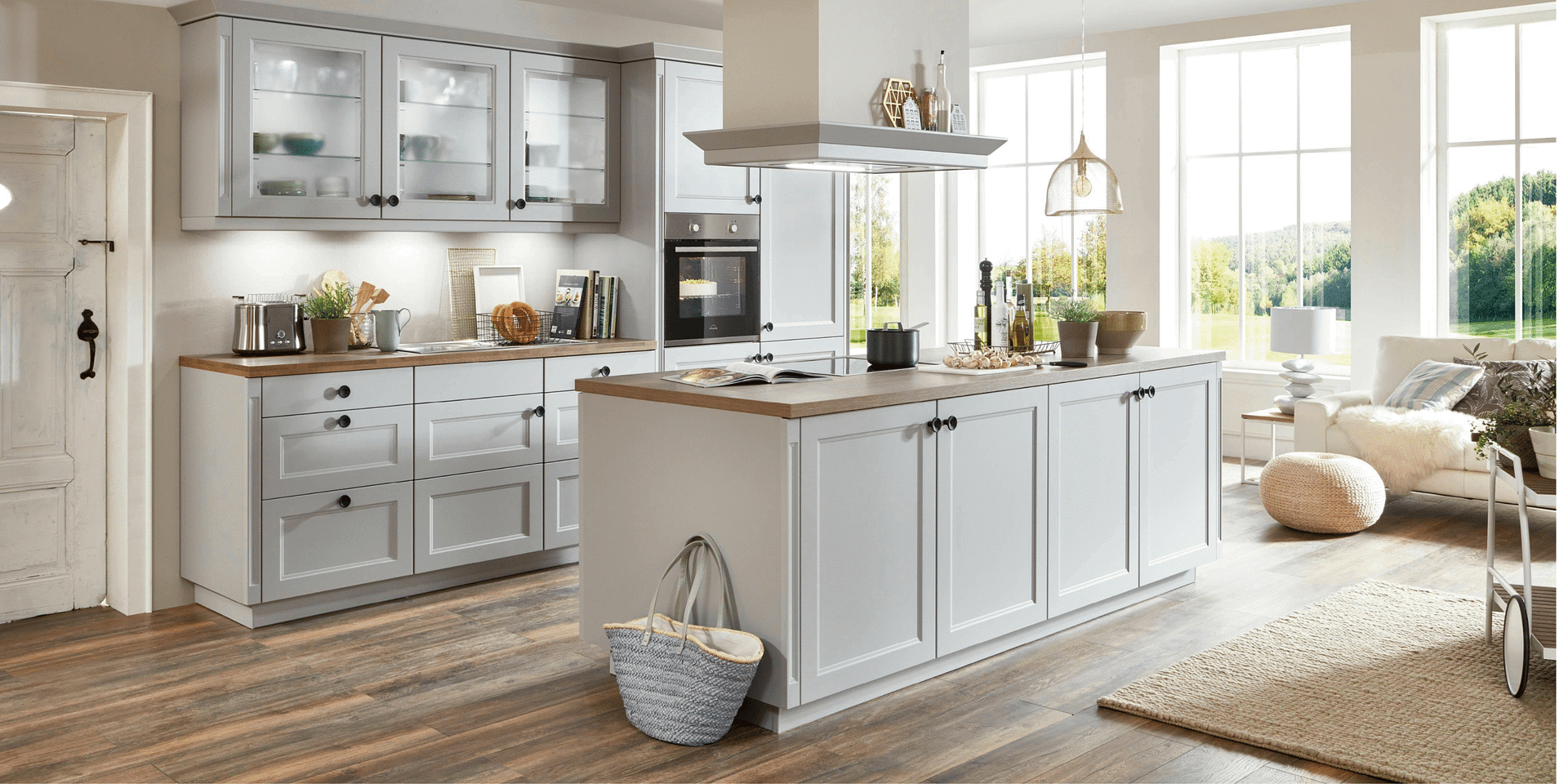
Unless they are downsizing, the majority of homeowners want the most amount of space they can get, to give themselves options. Small is restrictive. Cozy, however, is comforting. If you aim to make your property feel as large and spacious as possible, it will attract more interest. If, on the other hand, you have the opposite problem with large open spaces, but they are non-descript, make them more relatable or cozy by sectioning them off into different functional zones using furniture, decor, and rugs that anchor the pieces in each area together . The trick is to avoid making each of these spaces feel disjointed and small by ensuring each of these zones flows naturally into the next with clear sight-lines between them and a consistent color backdrop and design language that ties the grouping of areas together. The use of accent colors and small, more interesting details specific to each area is what gives them each character and brings them to “life.”
I’ve never heard a buyer state that they are looking for a dark home with little daylight.
OK, I’ve not yet had the pleasure of working with people identifying as Goths, but the majority of buyers say they prefer light-colored spaces that feel fresh, clean, and bright, uplifting and positive. Even those who love dark, rich colors seem to be OK with touring homes having light or neutral colors because they can choose what and how they want to repaint later, like a blank canvas. Dark walls in most rooms, which is usually more of an acquired or specific taste, can make buyers feel forced to make changes, which could push them away.
I’ve never heard a Buyer say they can look past the dirt and grime in a property.
Even buyers who are maybe not the neatest or cleanest themselves don’t want to step into someone else’s dirty environment. A house must be clean, but especially the kitchen and bathrooms, because an unhygienic house (someone else’s grime) is the fastest way to kill any excitement a buyer may have. The only people who get excited about dirty houses are flippers because they think there are likely other neglect issues, so they can buy at a reduced price, after you have been sitting on the market for a long while.

I rarely hear a buyer say they don’t mind doing maintenance and repairs.
Most are looking for the opposite. Even folks looking for a fixer-upper would likely take a home already fixed up if it were in their price range and close to their preferred style. Buyers generally state that they are looking for fixer-uppers so they can style them the way they want (and not pay for upgrades they don’t want), or so they can afford to buy the home in the area they want to live in and are willing to put work, if needed, into achieving their dream home, again reflecting common buyer psychology patterns.
Common Home Problems That Affect Buyer Psychology (And How to Fix Them)
When thinking about how to prepare your home for sale, the goal isn’t perfection — it’s removing obstacles that stop buyers from imagining themselves living there.
ISSUE: You have an older house
SOLUTION:
Make sure all of the painting, flooring, trim, cabinetry, fixtures & fittings, etc., are fresh, clean, and as flawless as possible. Separate out and highlight the “old” that’s good: “character,” from the old that’s bad: anything tattered, in need of repair, dated, etc. If some of your walls or ceilings are bumpy or have paint fleck buildup, trim, scrape, and sand that down before any refresher coat painting. Then, use low-sheen eggshell or even flat paint to minimize the appearance of any uneven or bumpy surfaces. Check out our How to Paint (Coming soon)
The use of more simple or stylistically neutral furniture, not decorative period pieces or austere minimalist modern, for example, can often give a more up-to-date feel without contrasting with the style of the home itself (provided you don’t have an ultra-modern property to begin with). Remove or minimize any singular features that have a negative connotation from the particular period, if possible. Your real estate professional can help you with these decisions.
If you have a period home, you may consider keeping a few period furniture and decor pieces and accenting with some more style-neutral pieces, each with a similar characteristic to the period style language (similar wood finish or upholstery color, for example), if you find that there are not enough buyers in your market who are interested in living in a home as a museum. Again, the thought is always to appeal to the widest audience.
ISSUE: You have a small main living space or small rooms
SOLUTION:
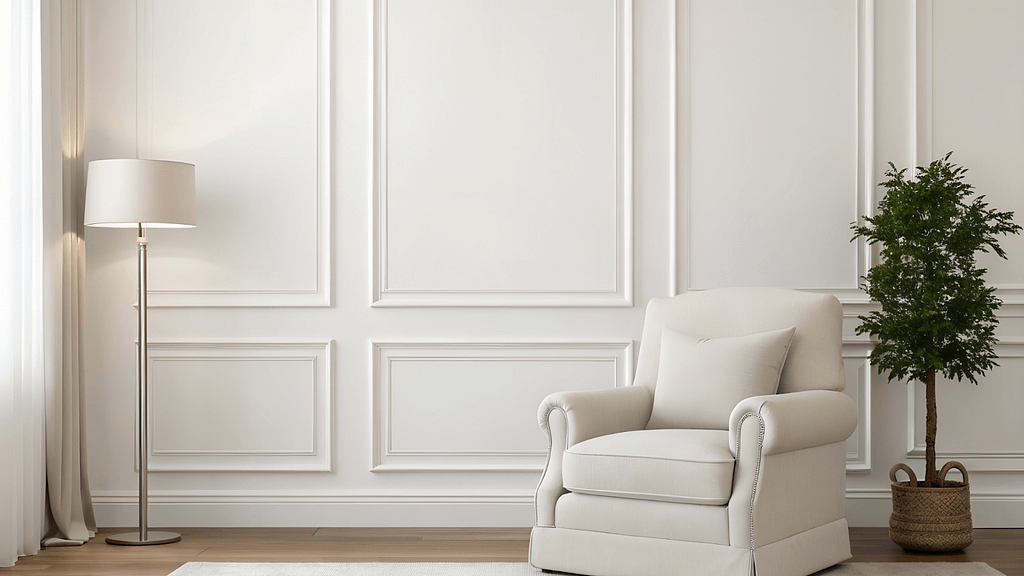
Painting the walls a very light color (an off-white or Art Deco white, for instance) helps the light that is coming in bounce around and emphasize “volume.”
TIP:
I often paint my walls a slight off-white and the ceiling bright white so that the walls read as though they have intentionally been painted with a specific white shade when seen against the whiter ceiling. If the ceiling isn’t painted a bright white and instead painted the same as the walls, you run the risk of having your subdued off-white looking simply dirty instead of looking like a deliberate choice. A slight sheen to the paint also helps reflect the light around the property, making it feel more expansive.
Remember, light colors recede away from us in our eyes, making spaces feel larger, while darker colors proceed toward us, making spaces feel more compact and cozier.
Using lighter colored flooring also helps. If your floors are dark, add some lighter colored rugs to minimize the “dark” light-absorbing void that the eye reads and maximize the light reflecting upwards, making people look healthy and youthful.
Match scale and proportion of furniture to a room or space. The use of slighter furniture: correct size but smaller in visual weight (for example, seating that sits higher off the floor on legs, has lower backs and thinner arms, upholstery with a plain low-key print, and is not overstuffed), also helps to make a smaller space feel more voluminous. Your eye reads that a “usual” amount of furniture fits in the room comfortably, whereas a larger, overstuffed, heavy collection of furniture or sprawling sectional sofas may take up so much space in the room, leaving little to maneuver and therefore making the room feel small.
Also, add some well-placed mirrors opposite windows to take in the light and bounce it around the space. Mirrors also aid spatial perception by adding depth. By reflecting a view of the space opposite them, the wall the mirror hangs or leans on seems to have a space behind it because of the reflected view of the opposite space. If the mirror were not there, the wall would appear flat and restrictive. Put a mirror in your most restrictive spaces, such as your entryway if it is tight, for example, to “open it up” spatially.
ISSUE: You have a choppy layout in the main living areas or small rooms that are disconnected
SOLUTION:
Make sure all of the walls and ceiling colors are the same to make the space read as one larger, cohesive, and unified space that continues and flows instead of smaller, choppy, disjointed spaces that the eye and brain read individually and disjointedly. Ensure, as much as possible, that the flooring material (or at least the color and shade) is as similar as possible throughout for the same reason. Distinctly different flooring colors and types break up spaces into smaller pieces that the eye reads as a collection of distracting “bits.”
ISSUE: You have a dark main living space or a dark house
SOLUTION:
Consider trimming any overhanging tree limbs outside of windows to help let light in. Also, opening window treatments inside as far as possible during photography and showings by putting the curtains and blinds open as much as possible helps. Add table and floor lamps in corners and paired on consoles and sideboards as much as possible, without overdoing it. Use light bulbs with the same color temperature (all warm or all daylight, for example) so they look and feel natural and evenly illuminate a space and don’t attract negative attention. If you choose warm lighting, make sure the bulbs are bright with higher output/lumens. Steer away from blue-cast lighting or lighting that has a cold cast.
Finally… the “big one,” the solution with the most impact, is using light wall, ceiling, and floor color — see small space fix above. Choosing wall, floor, and ceiling finishes with some sheen (slight shine) helps the light bounce around the space, making it feel brighter. Be careful, however, with wall paint that is too shiny. Anything more than a dull satin will likely show bumps and unevenness, which almost all walls and ceilings have. Make use of shiny, light-reflecting objects such as cleaned-off countertops, mirrors, or decorative objects instead.
ISSUE: Your furniture is all mismatched, undersized or oversized, outdated, or not ideally helpful in showing your property in its best light
SOLUTION:
If you think you can still work with what you have, pick your most essential key pieces in each room to keep (the absolute minimum, even if it makes the room look sparse), and remove the rest: donate, store in a unit or garage, or with a friend, etc. For a living room, that is usually a sofa and maybe a chair. Ask a family member or good friend if there might be something you may be able to borrow. A few small end tables (for example, Parsons tables) can be purchased inexpensively from IKEA, Target, or Walmart-type places. Two more of those tables could be set up next to each other to create a coffee table. Go for plain, modern, non-descript pieces so they are not really noticeable, yet they “fill” a void and perform an expected function (give scale and describe the function of a room).
TIP:
Take an off-white piece of fabric (linen look or similar), thicker than a bedsheet, so it is more akin to upholstery fabric, and cover the sofa neatly. Then, purchase or borrow some plain yet “reasonably stylish” throw pillows and a throw to place on the sofa to take the focus away from the sofa itself. Buy or borrow a few healthy, lush plants, or at a minimum, some lifelike artificial silks, to place evenly around the room for warmth.
Go to secondhand stores for decor or plain framed mirrors that could be painted (a neutral off-white, tan, or suitable antique metallic look, for example) on the frame to match the chosen design concept or existing decor. Dining tables can also be covered with a plain or neutral tablecloth, or maybe a neutral colored runner, and add some fresh flowers in a vase, and maybe some candlesticks. The idea here is to fill the space with non-contentious furniture at a very minimum (if you don’t have access to anything else) to give an idea of the scale of the room by presenting furniture that a buyer would expect to see — yet they don’t really see because you have made the decor low-key and non-descript so that the buyer instead pays more attention to the rooms, areas, and layout of the home.
If your furniture is really not up for the task, your other options are either to sell unfurnished or hire a stager, which, while this is an upfront expense, should make the cost back and then some. In the case of a limited budget, you could choose to only stage the most important rooms (living room, primary bedroom, kitchen, primary bathroom). In any case, the choice of stager is an important one. I have seen cheaper, more amateur ones who actually detract from a property by using glaring, garish decor that looks cheap, therefore making the property look cheaper. I always recommend going for the best service you can afford, but less of it.
If you go the unfurnished route, consider virtual staging. While not as effective as real staging because it may make the actual experience of visiting a property a let-down compared to the impression gained from the photos, it can be used, alongside images of the vacant room, to suggest possibilities and get people’s attention. If you choose to have, say, two virtual images of each main room (labeled Option A and Option B), it will help to look intentional, as though your purpose is to suggest a multitude of possibilities, not to spend less. Your real estate professional will be able to guide you on what would be expected for your property type and what is appropriate for your specific market.

ISSUE: You have little time or funds available to fix up your home before selling it, but you need to get the most out of the sale
SOLUTION:
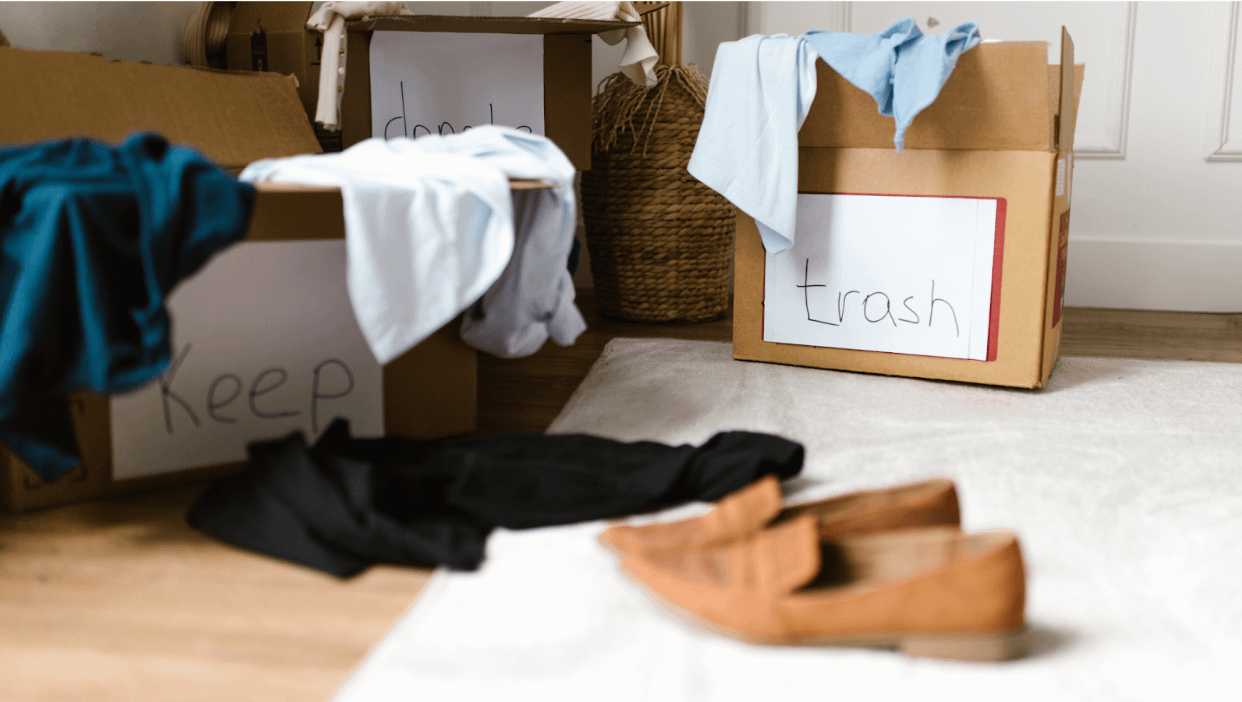
There are plenty of inexpensive things that can be done quickly to get the property ready, and understanding how to prepare your home for sale efficiently often comes down to prioritizing the right tasks. A little planning first, and the help of friends or family, can solve much of the problem. Start with a priority list and work down until the deadline you have chosen, when you have to stop (before the photographer comes, for example). Depersonalization, decluttering, and a deep clean (at minimum kitchens, bathrooms, visible dust, and gunk removal) are probably the three most cost-effective things you can do. If you have time, make obviously needed repairs or even any quick upgrades before the cleaning (clean after repairs but before staging) — we have a list of inexpensive ideas for you (coming soon)
Ultimately, knowing how to prepare your home for sale comes down to understanding what buyers notice first — space, light, cleanliness, and ease.
Remember, personality can come in the small, suggestive decor details set within a more “blank” canvas background. The goal of depersonalizing, decluttering, and cleaning is to remove the distractions and contrasting or negative signals, not the personality.